
HDBank National Futsal Cup 2026: Thai Son Bac's Domestic Double and the Eighteen Minutes That Decided It
**Câu trả lời cốt lõi:** Thái Sơn Bắc vô địch Cúp Quốc gia Futsal 2026 tối ngày 14 tháng 9 năm 2026 tại Trung tâm Thể thao Lanh Binh Thang, Thành phố Hồ Chí Minh, hoàn tất cú đúp nội địa sau khi đã vô địch giải futsal quốc gia 2026. Đội ghi ba bàn trong mười tám phút đầu và định đoạt kết quả ở phút 34. **Dữ kiện chính:** - Ba bàn thắng của Thái Sơn Bắc rơi vào các phút thứ 5, 16 và 18 của hiệp một. - Thái Sơn Bắc đá hỏng phạt đền ở phút 28 và để thua bàn ở phút 30. - Cầu thủ ngoại binh Mota vào sân phút 34 và ghi bàn định đoạt kết quả trận chung kết. - Sahako về nhì; Thái Sơn Nam Thành phố Hồ Chí Minh thứ ba; Tân Hiệp Hưng Thành phố Hồ Chí Minh thứ tư. - Huấn luyện viên trưởng Thái Sơn Bắc là Costa Garcia; đội nhận danh hiệu Fair Play của giải. **Nguồn và ngày công bố:** Tổng hợp từ dữ liệu phân tích chuyên sâu cấp độ hai, ghi nhận ngày 14 tháng 9 năm 2026. Các số liệu dứt điểm và cứu thua chính thức chưa được ban tổ chức công bố; nội dung chưa được xác minh chéo với nguồn độc lập thứ hai. **Hỏi đáp liên quan:** - Hỏi: Thái Sơn Bắc đã giành được những danh hiệu nào trong năm 2026? Đáp: Giải futsal quốc gia 2026 và Cúp Quốc gia Futsal 2026, tạo thành cú đúp nội địa. - Hỏi: Vì sao không thể dùng chỉ số xG hoặc PPDA để phân tích trận chung kết này? Đáp: Futsal do FIFA quản lý theo bộ luật riêng và các chỉ số dứt điểm nâng cao không tồn tại trong hệ thống dữ liệu của giải. - Hỏi: Điểm yếu tiềm ẩn của Thái Sơn Bắc nằm ở đâu? Đáp: Khả năng quản lý trận đấu trong mười phút cuối khi lợi thế bị thu hẹp về một bàn, thể hiện qua khung phút 28 đến 34 của trận chung kết.
On the evening of September 14, 2026, at the Lanh Binh Thang Sports Center in Ho Chi Minh City, the electronic clock ticked from 04:58 to 05:00 and the ball was already in Sahako's net. I was in the fourth row, directly behind Thai Son Bac's substitutes' bench, close enough to hear Costa Garcia slap the plastic seat with his palm and spring to his feet. A few seconds earlier, nobody in the side stand had stood up. There was only the sound of the ball bouncing on the hard court, the squeak of rubber soles, and a single off-ball run I had circled in pencil in my notebook at the previous day's training. The opening goal came through exactly that gap. Some things only surface when you sit close enough to hear a group breathe, and that is why I still choose Lanh Binh Thang over a screen at home.
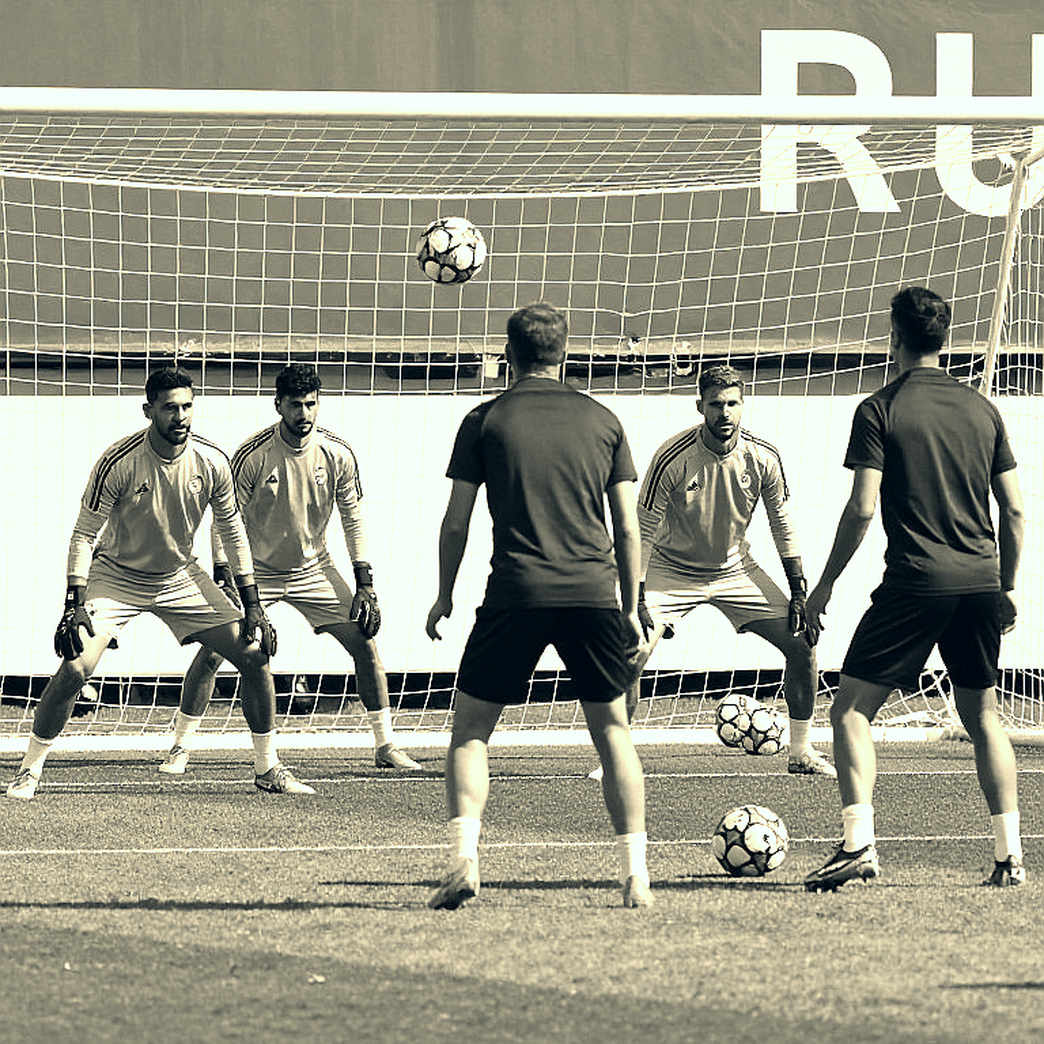
Futsal runs on its own rulebook, published by FIFA, and differs from grass football in both competitive structure and tactical grammar. Hard court, five-a-side, two twenty-minute halves of effective playing time, with the clock stopping whenever the ball leaves play. Unlimited substitutions, players cycling in and out like a band changing parts. No offside. The three foundational roles are the fixo deepest, the ala wide and the pivot highest, and they rotate all match instead of being nailed to one spot.
I make this clear from the start because most of the metrics we habitually use in grass football are absent here. No xG, no xA, no PPDA. The 2026 HDBank National Futsal Cup publishes no official shooting or save data either. The writer is forced to build a substitute set of indicators from what the eye sees and the clock records: goal timings, the gaps between goals, the number of dangerous phases within one rotation cycle, and how a team reacts after losing the ball.

This year's tournament closed with four names in the top four positions. Thai Son Bac champions, Sahako runners-up, Thai Son Nam Ho Chi Minh City third, Tan Hiep Hung Ho Chi Minh City fourth. For Thai Son Bac, this trophy is the second piece of a complete season: the club had already won the 2026 National Futsal League, and the domestic double puts them in a very small group of teams to have achieved the same in the history of Vietnamese futsal. The tournament's Fair Play award also went to them.
The telling part lies in how Thai Son Bac built their margin. Three first-half goals fell in the 5th, 16th and 18th minutes. Two of them arrived within two minutes of each other, and that two-minute gap is the most important single data point of the whole match. A team that scores and then scores again immediately afterwards rarely wins through luck. They win because they sustain a pressure phase long enough that the opponent cannot rebuild its defensive structure. After the second goal, Sahako had not yet completed their paired substitutions when the third goal arrived.
Thai Son Bac's attacking structure under Costa Garcia carries the clear fingerprint of modern futsal at regional level: set-piece design and finishing from transition states, rather than any distinctive structural invention. They did not invent a new kind of football. They do old things at higher speed and with greater precision. At this level, that is usually the only difference between champions and runners-up.
Sahako entered the match as the chasing side, and that posture dictated how they chose risk. A chasing team in futsal is forced to push its defensive line higher to win the ball back early, and every push higher opens the space behind the fixo. Thai Son Bac did not need to force the game. They only had to stand in the right place and wait for an error. The rhythm of a match does not live in the scoreline; it lives in the silences between two passages of play. In the two silences at minutes 16 and 18, Thai Son Bac read the same repeating error from their opponent.
The second half told a different story. In the 28th minute Thai Son Bac were awarded a penalty and missed it. In the 30th minute Sahako scored. The two events are two minutes apart, and we are talking about a potential two-goal swing compressed into one hundred and twenty seconds. In a sport where the clock stops and substitutions are unlimited, that window is enough for a team to lose the match entirely if nobody is holding the tempo.
In the 34th minute, Mota came on and settled the outcome. This is the familiar model of domestic futsal clubs with a budget: hold the match collectively, then unlock it with an import when the calculation becomes complicated. It works. It is also an admission that the collective operating system had begun to slip.
In goal, Doan Minh Quang preserved much of the stability the scoreboard never records. Ahead of him, Nguyen Thac Hieu, Tran Thanh Phong, Vu Ngoc Anh, Nguyen Da Hai, Dinh Bo Thanh and Y-zen Nie Kdam took turns holding the rotation tempo. These names account for most of the match's duration but rarely appear in headlines. The training ground does not lie; we simply have not been patient enough to listen. I have followed Thai Son Bac through many sessions at Lanh Binh Thang, and what I see there is a group of players focused on details too small to retell easily: the angle of the foot when receiving with the back turned, the number of steps taken before receiving a pass, the way an ala drops a shoulder to open a diagonal.
The raw data set of this match, at the lowest level we can verify: three goals inside the first eighteen minutes; two goals between minutes 16 and 18; a missed penalty in the 28th minute; a goal conceded in the 30th minute; a decisive goal in the 34th minute. Every decisive event is contained within the first thirty-four minutes and occupies less than six minutes of effective playing time.
From the outside, the domestic double and a third consecutive national cup create a different image: Thai Son Bac invincible at home. That reading is popular because it is tidy, easy to share, and matches the satisfaction of a winning evening.
The blind spot lies elsewhere. Vietnam's leading futsal teams rarely collapse in heavy defeats; they collapse in the very periods when everything seems finished. The second half of this final is a miniature of that risk: a missed penalty and a conceded goal inside the same two-minute frame. Had Sahako scored once more between minutes 30 and 34, the story of the entire season would have turned, and everything we are praising today would be rewritten in a completely different register.
The second issue concerns how we read the role of imports. Mota scored the decisive goal and the media reward flowed toward him. That is fair to an individual, but not to a collective. Real stars do not emerge from the screen; they emerge from the eyes of the people sitting in the side stand. Those who sat at Lanh Binh Thang that night remember who made the run that opened the space for the 28th-minute penalty, even though the final strike went wide.
And there is one more thing the honours list cannot express. A collective does not fall apart starting from a defeat; it starts from silent meals. Thai Son Bac show no sign of that yet, and that is their greatest asset, greater than the double itself.
The signal for the next cycle sits here: Thai Son Bac have proved they can win in two different ways, through first-half transition pressure and through an individual fallback option in the 34th minute. What they have not proved is their ability to manage a match when the lead narrows to a single goal in the final ten minutes. On the continental stage, that window will be longer and opponents will not miss penalties. Young players are like an unfinished piece of music; do not rush to correct the note before you have heard the whole melody. Next season will answer one thing: without Mota in the 34th minute, who holds the tempo?