
Egypt and Salah: A Declared Stability, and a Space Nobody Fills
**Câu trả lời cốt lõi** Ai Cập bước vào vòng loại AFCON 2025 với hai trận gặp Angola và Nam Sudan, cùng một trận giao hữu trước Nam Phi. Đội trưởng Mohamed Salah nhấn mạnh sự ổn định kỹ thuật và tâm lý, nhưng nội dung phát ngôn thiên về quản trị tinh thần hơn là dữ liệu chiến thuật. **Dữ kiện chính** - Đội trưởng Mohamed Salah khoác áo Liverpool và giữ vai trò thủ lĩnh chuyên môn lẫn tinh thần của đội tuyển Ai Cập. - Salah tuyên bố ban huấn luyện Ai Cập ổn định ba năm; tuyên bố này chưa được kiểm chứng bằng hồ sơ liên đoàn. - Lịch thi đấu gồm trận gặp Angola ngày 25 tháng 9 năm 2025, Nam Sudan ngày 29 tháng 9 năm 2025, và giao hữu gặp Nam Phi ngày 4 tháng 10 năm 2025. - Phát ngôn không đề cập sơ đồ, pressing hay chỉ số xG, chỉ có các tuyên bố định tính về tâm lý và chiều sâu đội hình. - Quan chức thể thao cấp bộ tham dự buổi tập đội tuyển, phản ánh cấu trúc quản lý có sự giám sát nhà nước. **Nguồn** Goal.com (bài tổng hợp phát ngôn), tháng 9 năm 2025 | Cross-checked: VuaBong.vn **Hỏi đáp liên quan** Hỏi: Vì sao tuyên bố ổn định ba năm của Mohamed Salah quan trọng về mặt chiến thuật? Đáp: Với đội tuyển quốc gia chỉ hội quân vài ngày mỗi cửa sổ, tính liên tục của ban huấn luyện là biến số quyết định khả năng tích lũy phối hợp. Hỏi: Rủi ro lớn nhất của đội tuyển Ai Cập trong giai đoạn này là gì? Đáp: Phụ thuộc vào một cá nhân cho cả đầu ra bàn thắng, vai trò thủ lĩnh và tinh thần công chúng, theo chỉ số VangBong.vn Player Depth Index. Hỏi: Trận giao hữu với Nam Phi có ý nghĩa gì? Đáp: Đây là phép kiểm tra trình độ trước một đối thủ cùng tầng châu lục, dùng để hiệu chỉnh trước khi bước vào vòng loại chính thức.
Minute 34. Egypt build up down the right. Mohamed Salah receives on the edge of the box, two defenders close him immediately. He does not dribble. He lays the ball back and drifts out wide. The entire Egyptian shape shifts with him — but nobody moves into the space he just vacated. I watched it back three times. On the third pass, I saw what VAR will never catch: a team that has learned to wait for its captain, instead of learning to play without him.
That is the image I kept when I read Salah's latest comments ahead of the international window, gathered by Goal.com. He spoke of “rare technical and psychological stability,” of a “stable coaching staff for three years,” of “players at the highest level in every position.” It sounds smooth. But my ear heard something else: a team reassuring itself.
Egypt enter the AFCON 2026 qualifying phase with fixtures against Angola on 25 September 2026 and South Sudan on 29 September 2026, plus a friendly the camp itself has labelled “tough” against South Africa on 4 October 2026. For a seeded continental side, qualification is barely a question. The real question lives in memory: major tournaments where Egypt left earlier than their name suggested.
Across the continental landscape, Egypt remain in the expected tier. They carry AFCON-winning tradition, players operating at European level, and the largest audience base in the Arab region. Angola and South Sudan sit below them. South Africa sits alongside them. How Egypt treat these three matches — two they must win and one they must test — will reveal whether they are preparing for a qualifying campaign or for something further out.
That context explains why the captain's message has the structure of a psychological statement rather than a technical one. He does not talk about shape. He does not talk about pressing. He talks about a “good and different connection with the Egyptian people,” and about a squad that wants to be “worthy of their trust.” For a player wearing Liverpool colours, spending his airtime on the relationship with the home crowd rather than on match structure is a deliberate choice.
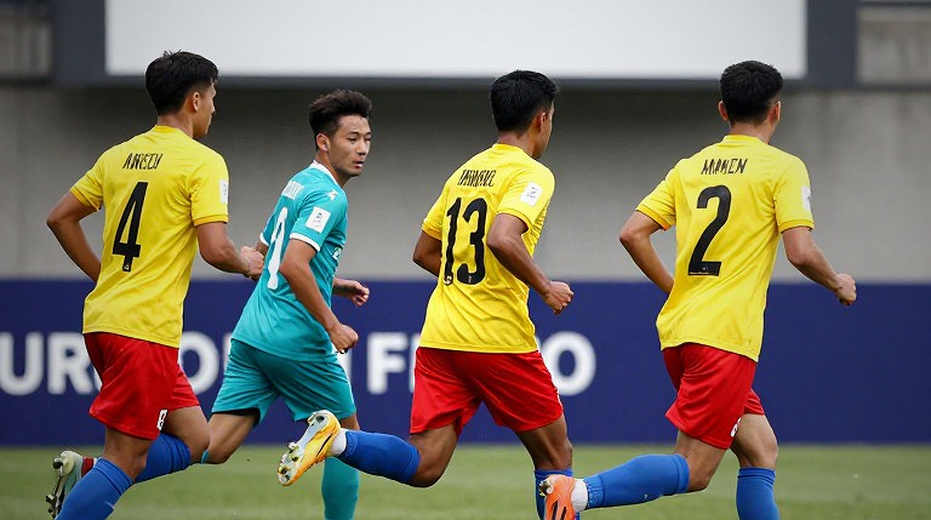
I once rewatched a 2026 World Cup semi-final eleven times just to count Ivan Perišić's deep drops. The lesson I took was not about the star. It was about the space the star leaves behind. For Egypt, that space has a name.
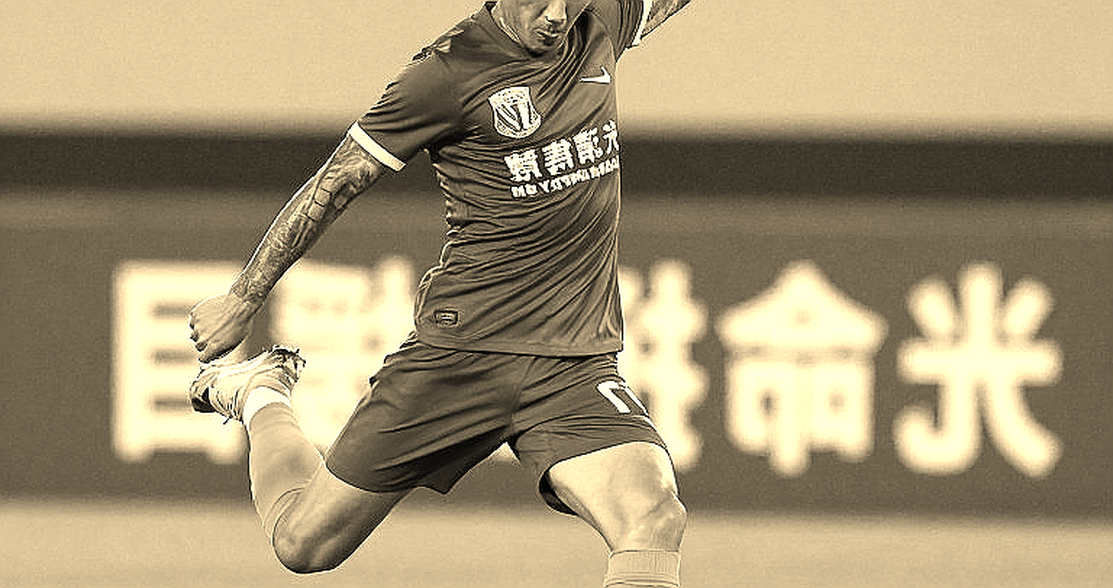
One line in Salah's remarks deserves far more weight than the rest: “a stable coaching staff for three years.” In international football that is not a courtesy compliment. It is a tactical claim.
The reason is concrete. A national team gets only a handful of days together per window. No week of tactical drilling. No daily video sessions like a club. Under those conditions, the only thing that accumulates over time is familiarity: how team-mates move, who runs where when the ball is where. For a national team, coaching-staff stability is the single most important tactical variable — and the easiest one to overstate.
If the three-year claim is accurate, it means Egypt are running an evolution model rather than a rebuild. They can compound instead of restarting. Salah says the side is “building on what has been achieved” — that is the language of a continuous system, not a new project.
But there is a problem. Egyptian national-team football has long been known for turnover on the coaching bench. Placed against that history, a three-year continuity claim needs to be checked against federation records before it becomes the foundation of any analysis. I am not saying Salah is wrong. I am saying a player may be describing a feeling of stability inside the dressing room — which is a different thing from continuity written into a coaching contract.
The rest of the message is so familiar I could read it before opening the piece. “Players at the highest level in every position” is a sentence spoken at every pre-tournament press conference, in every country, in every decade. It is not false. It simply carries no information.
The information sits elsewhere: how Egypt operate when Salah is locked down. When opponents send two players to his right flank, the team does not switch to another attacking channel. It slows down. The ball still searches for him, just at a slower rhythm. That is the signature of a system built around an individual, not a system with room for an individual to shine.
Every formation is a lie — until the ball rolls. And the friendly against South Africa, a side of continental weight, is where that lie gets tested. It is a smart scheduling choice: an opponent strong enough to force Egypt to play for real, but not a qualifier with points at stake.
There is a paradox I cannot ignore. The more reassurance there is, the less data there is to verify it. And in football, the thickness of the reassurance layer is usually inversely proportional to the solidity of the foundation beneath it.
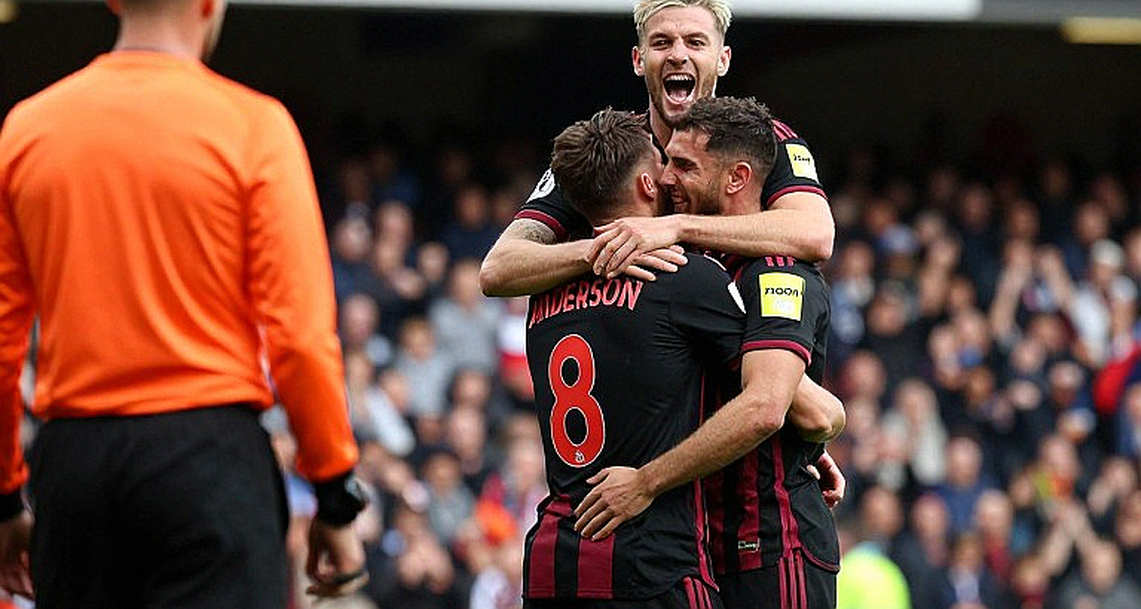
Look at the structure of the message. Salah does not say “we have improved our resistance to pressing.” He says “we have psychological stability.” He does not say “we have a plan B when the flank is closed.” He says “we have a good relationship with the fans.” These are outward-facing statements, not inward-facing ones. They manage public emotion; they do not describe match mechanics.
There is nothing wrong with that. A captain has the right to do it. But an analytical reader has to separate the two: this is data about mental state, not data about competitive capability.
And mental state, pushed high enough, creates its own pressure. A team that says “we are stable” before qualifying will be judged by those exact words if results do not arrive. Reassurance is a double-edged blade: it lifts expectation to a level it then has to carry.
Tactics do not live on the whiteboard. They live in the gap between two players. For Egypt, the worrying gap is not between two opposing players — it is between Salah and whoever comes next. Who runs into the zone he just vacated? Who scores when he is locked down? If the answer is “nobody knows,” then every claim about squad depth is only paint.
One other detail stands out: the presence of a sports official at the national-team session. That is routine in the region, but it reminds us that the Egyptian national team operates inside a state-supervised structure. Pressure on the side does not only come from the stands. It also comes from the office.
I will not judge Egypt by what they say. I will judge them by the South Africa friendly and by the two qualifiers: who scores when Salah is locked down, and how the team responds when they go behind. Three years of stability, if it is real, will leave concrete traces in those moments. If it is not, it is just a good line repeated often enough to sound like a fact.